

The mountains in winter: what is possible and what to stay away from
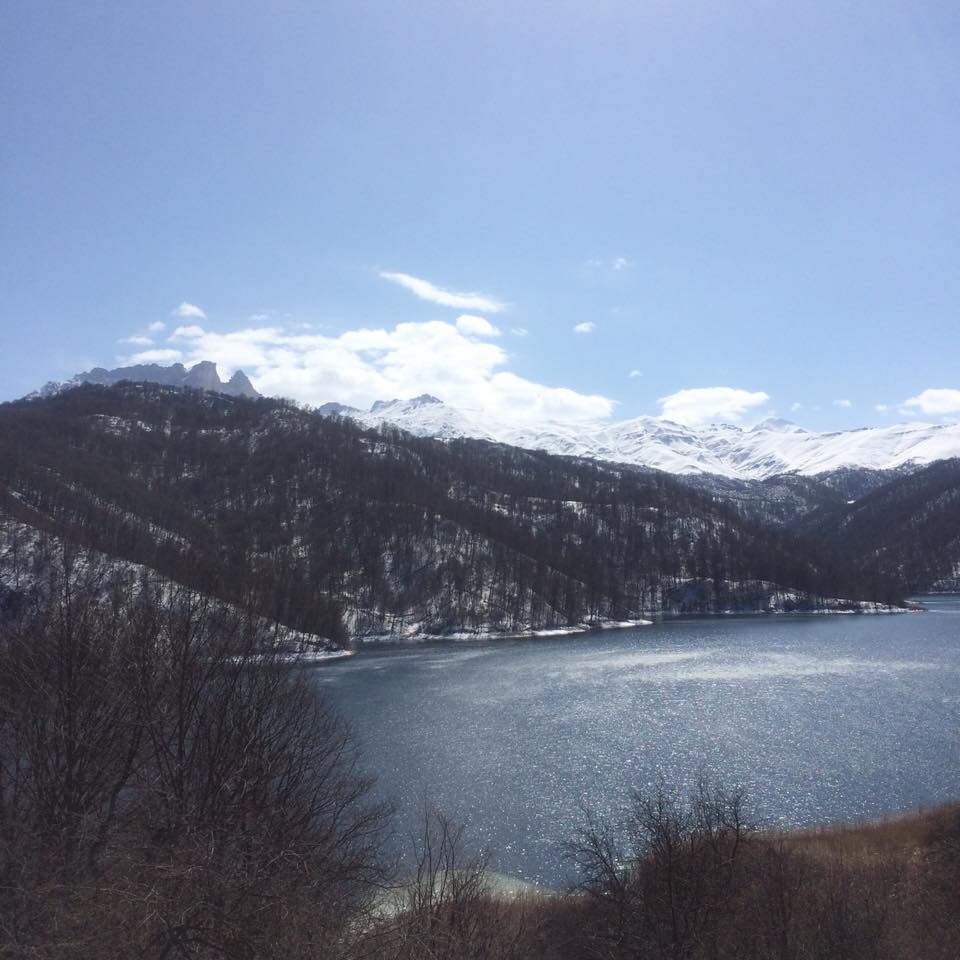
In winter the mountains are beautiful and equally unforgiving. Snow hides the path, shortens the day and raises the price of a mistake.
What is possible in winter
Low routes. Forest and lake routes up to about 1000 metres are still passable in winter — just slower.
Frozen waterfalls. The waterfalls around Laza freeze in winter and create an entirely different sight.
Walking on snow. On plateau terrain, with snowshoes.
What to stay away from in winter
High peaks. Bazarduzu and Tufandag are mountaineering routes in winter — they require an ice axe, crampons, ropes and training. They have nothing in common with the summer programme.
Steep slopes. There is avalanche risk, especially in the 24–48 hours after fresh snow and on days when it warms up.
Going alone. A solo walk in winter is far riskier than a solo walk in summer.
Extra equipment
- Gaiters. They keep snow out of your boots.
- Waterproof gloves plus a spare pair. Wet gloves are useless in the cold.
- A thermos. Pointless in summer, the most valuable item in winter.
- A spare warm layer. During a break the temperature makes itself felt within minutes.
- Sunglasses. Light off snow burns the eyes.
Daylight
In December and January it is dark by 17:30. Route planning has to reflect that: if you have not reached the summit by 14:00, turn back.
The body in the cold
Hypothermia signs: uncontrollable shivering, difficulty moving the fingers, slurred speech, unusual apathy. In that case: get out of the wind, change wet clothing, give a warm sweet drink, warm the body.
Frostbite: white patches on fingertips, nose and ears. Do not rub them (it damages tissue); warm them gradually.
Go on a winter route with an experienced guide. In this season the price of "I can manage on my own" is very high.
Ready to experience it yourself? See the upcoming departures.
Browse tours

