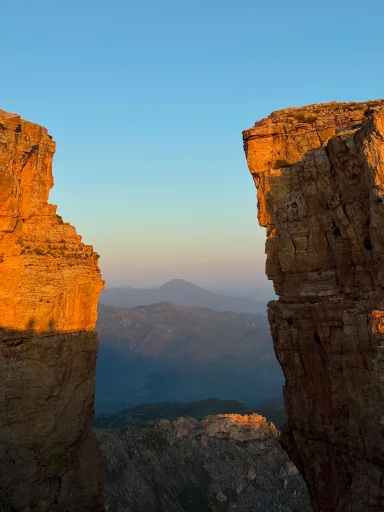

Two- and three-day routes: village to village, up to the pastures and back.


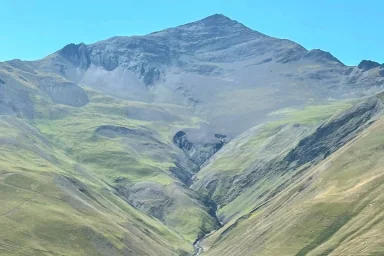
Trekking differs from a day hike in length: the route is split over two or three days, with nights in a village house, on a pasture or in a tent. The classic Azerbaijani lines are Khinalig–Laza, Galakhudat–Mikhtoken, Lahij–Muju and the Qakh–Ilisu forest crossings.
It asks for more preparation than a day walk: 12–20 km and 800–1,400 m of ascent per day is normal. In return the route leaves the road network entirely, and gives you the pastures, the shepherd camps and the night sky.
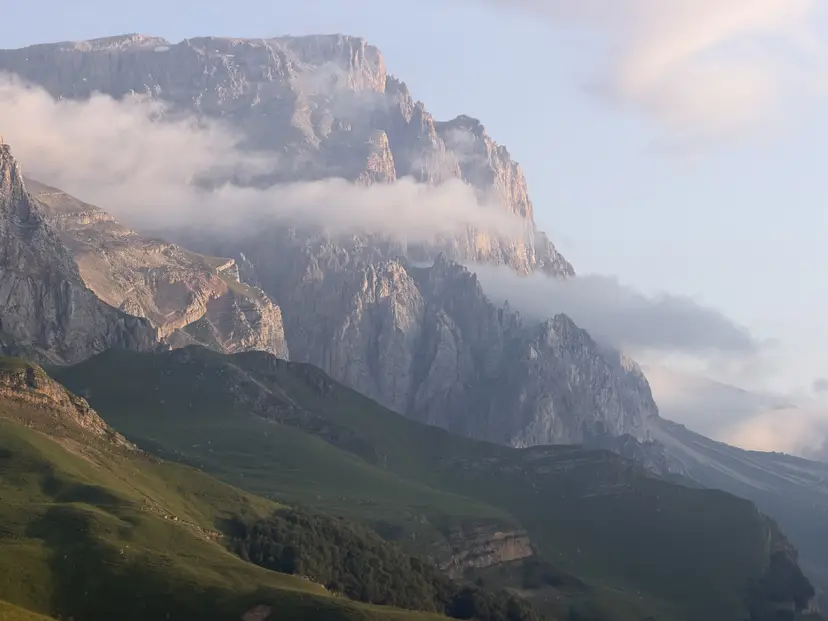
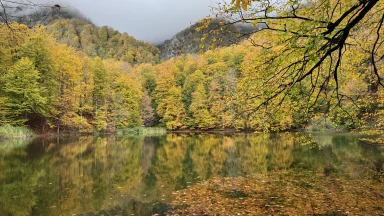
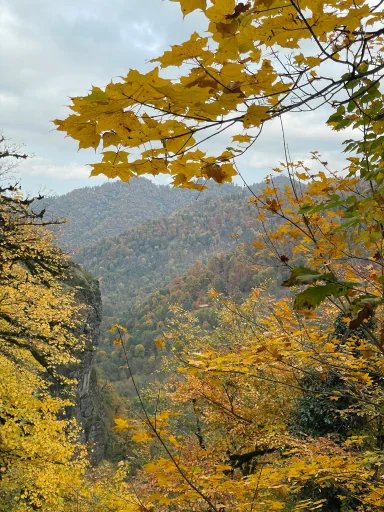
The crossing from Khinalig to Laza is the best-known two-day trek in the country. Galakhudat–Mikhtoken–Laza is longer and much quieter. In the south the Lerik–Yardimli pastures are an option, and in the west the forest crossings around Goygol.
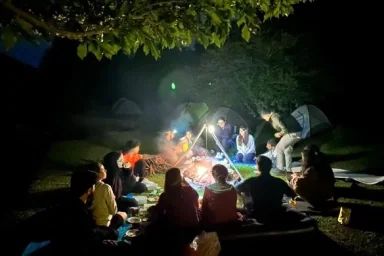
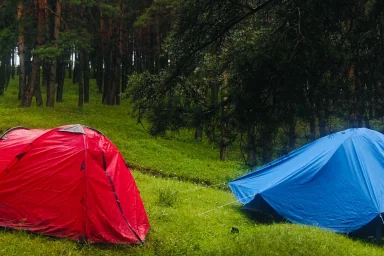
Depending on the route, the night is spent either in a village house (hot water, home cooking) or in a tent. In the village-house format your load is far lighter — you only carry a day pack.
You will walk 6–8 hours on two consecutive days, so a few long day hikes beforehand are the right preparation. Boots must be broken in: new boots mean blisters on day two.
A hike is a single day and you are home in the evening. A trek means at least one night out on the route, which changes the load, the preparation and the planning.
Yes, you carry your personal gear. On some routes heavy luggage is sent ahead by horse or vehicle to the next overnight point; that is stated in the tour description.
Coverage on the pastures is patchy and disappears entirely in some valleys. Guides carry offline maps and, where needed, a satellite communicator.
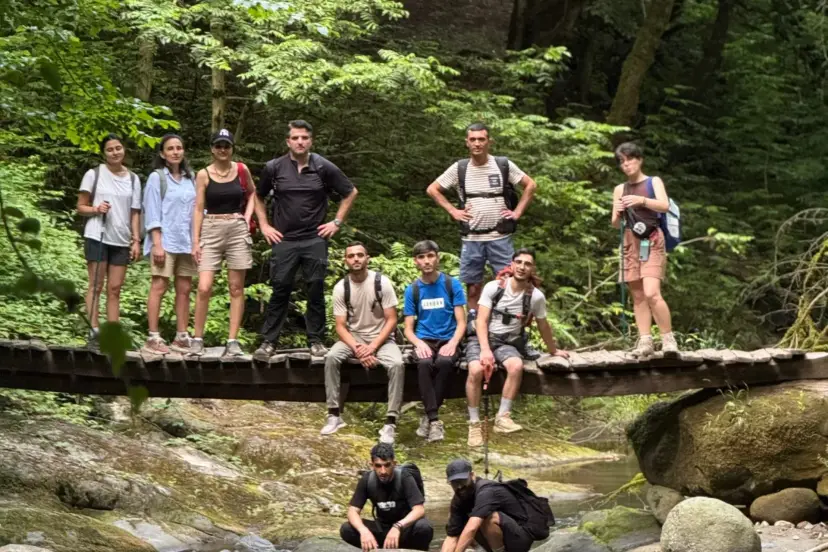
Trekking groups are usually 8–15 people; because overnight capacity is limited, there are fewer places than on day tours.
Route notes and preparation advice from our guides.