
Göygöl National Park: a lake system created by an earthquake
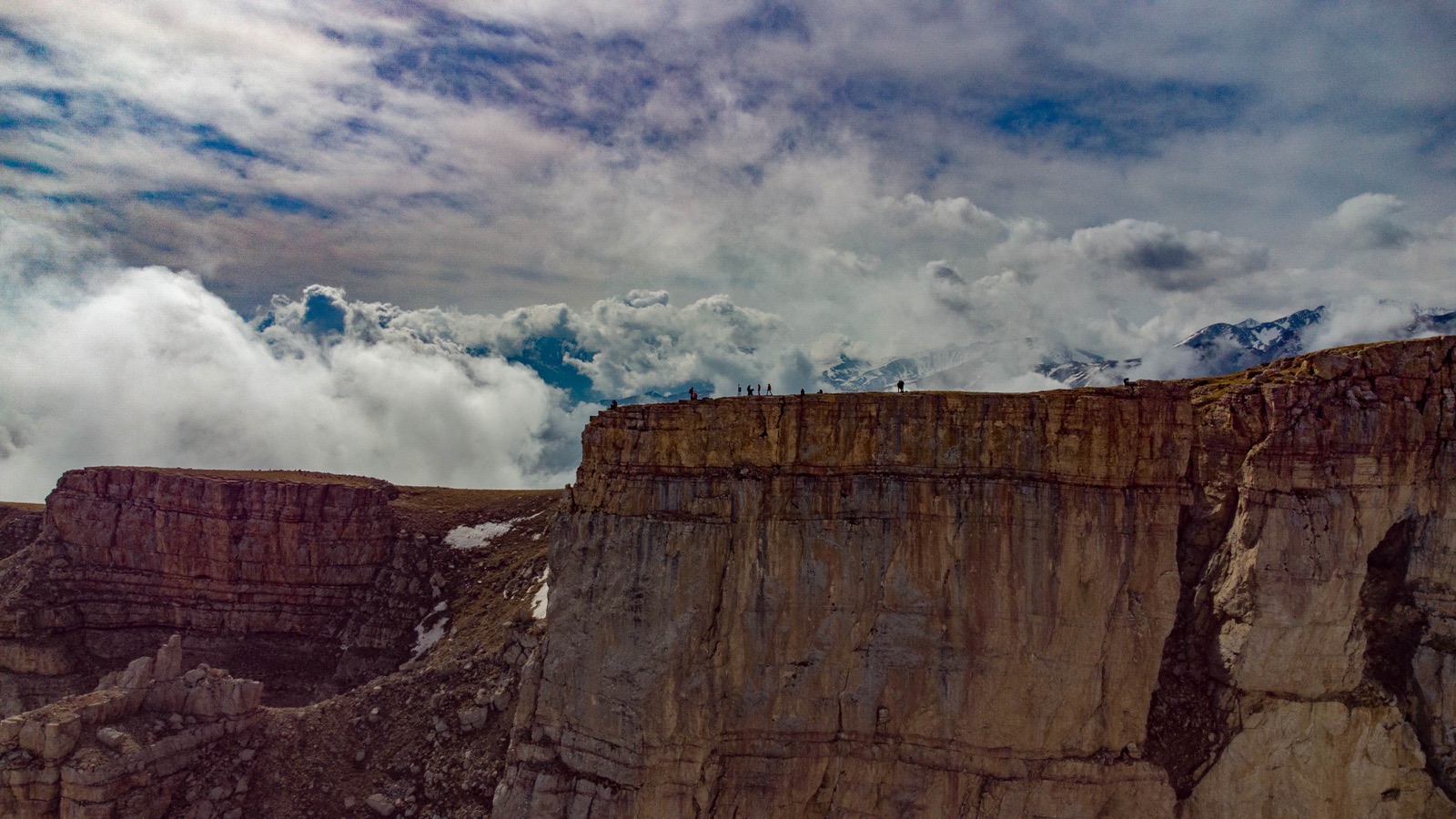
Göygöl is the most photographed natural site in Azerbaijan, but few people know how it formed. The lake was created in 1139, when a powerful Ganja earthquake brought down part of Mount Kəpəz and the debris blocked the river. In other words, the lake itself is the product of a landslide.
The same event created several lakes: Maralgöl, Zəligöl, Ağgöl and Qaragöl. Together they are known as the Göygöl lake system.
Göygöl and Maralgöl: the difference
- Göygöl is lower, reachable by road, with a walking path along the shore. The easiest and busiest part.
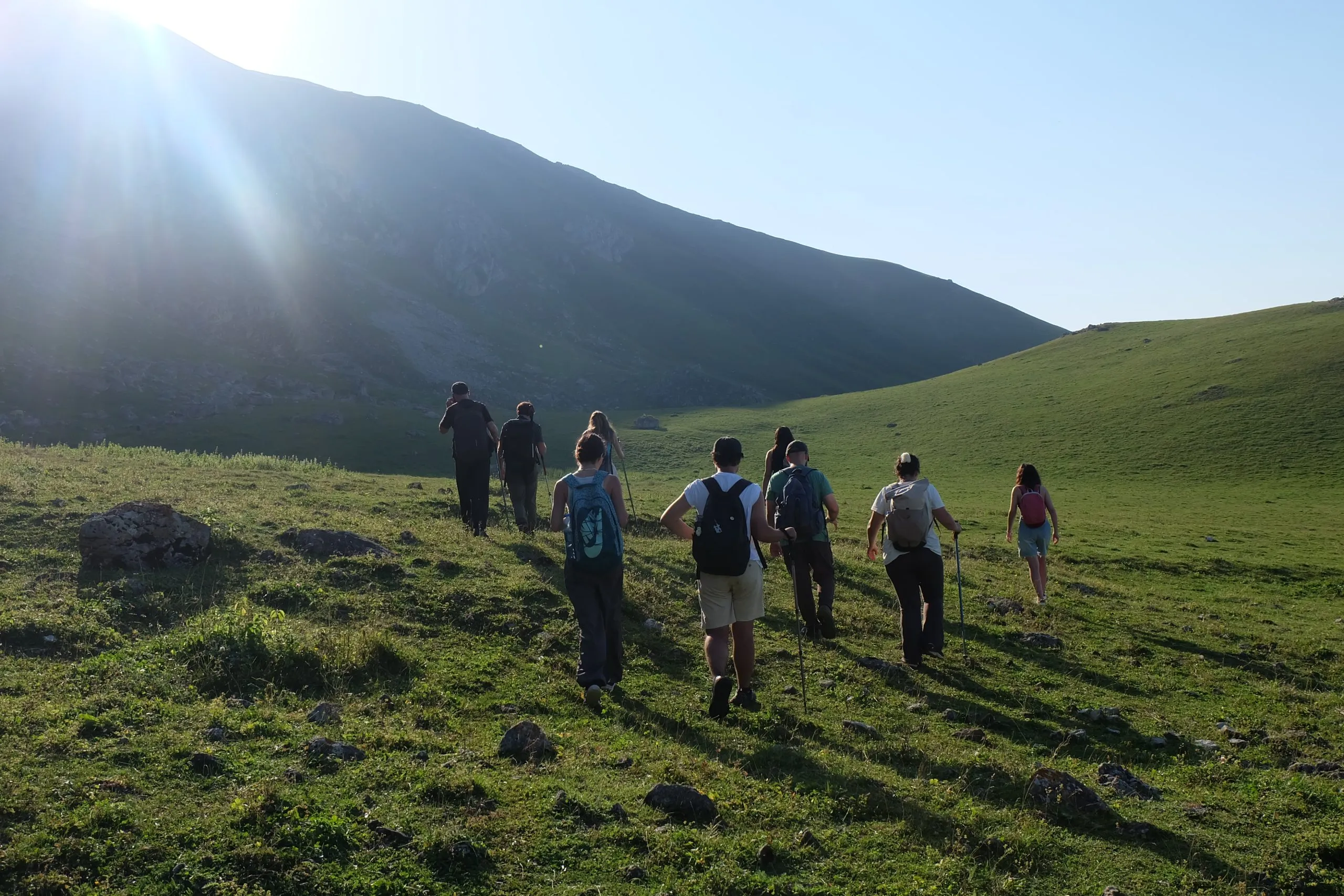
- Maralgöl is higher and can only be reached on foot — at roughly 1,900 metres. The trail climbs through forest and takes a few hours. There are fewer people, and the water is colder and clearer.
In practice a one-day programme is built like this: hike up to Maralgöl in the morning, come down and rest by Göygöl in the afternoon.
Mount Kəpəz
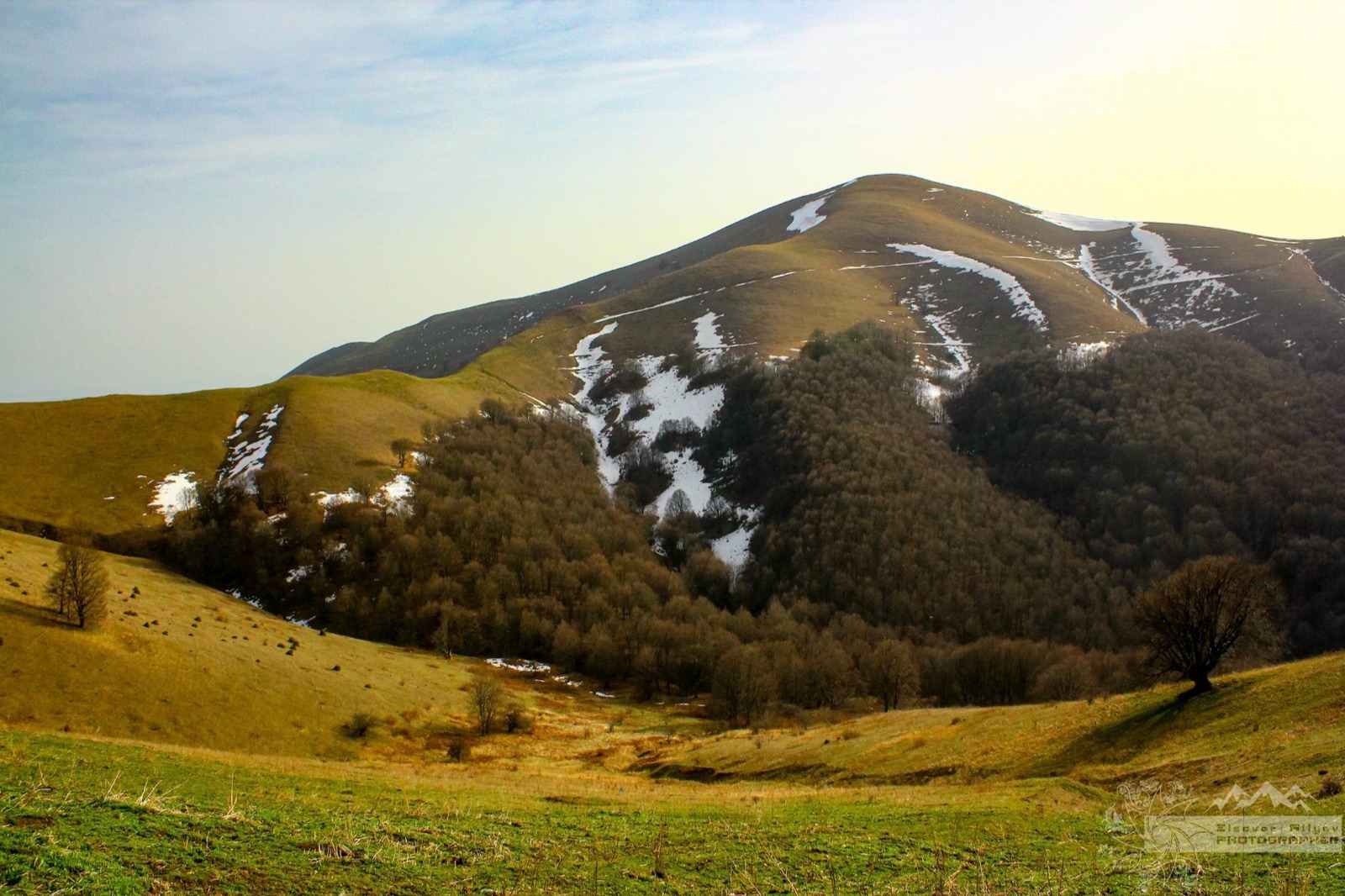
Kəpəz (around 3,060 m) is the highest point of the park and stands directly above Göygöl. Reaching the summit requires no technical mountaineering, but it is a long, steep climb — physical preparation is needed. From the top, Göygöl and Maralgöl appear in the same frame.
A one-day Kəpəz programme usually starts at night or very early morning so the summit is reached before midday: One-day Kəpəz peak + Göygöl and Maralgöl.
Forest and wildlife
Most of the park is oriental oak and pine forest. Pine forest is rare in Azerbaijan and the stand around Göygöl is one of the largest in the country. The signature animal is the Caucasian red deer — Maralgöl takes its name from it.
Practical information
- Access is regulated. Entry involves registration and a fee at the gate, and at certain times entry hours are restricted. Visitors are not let onto the Maralgöl trail late in the day, because descending in the dark is dangerous.
- Swimming is prohibited — the lake is a protected water body.
- Drones require a separate permit.
- The distance from Baku is around 350 km, which is why a one-day tour is planned with a very early departure.
When to go
- May–June: the greenest period, plenty of water.
- September–October: colour and settled weather — the best photographic season.
- Winter: the Göygöl shore is beautiful, but Maralgöl and Kəpəz close to ordinary visitors because of snow.
If you want to stay in the region, there are also river routes: rafting and camping on the Kur.
Ready to experience it yourself? See the upcoming departures.
Browse tours