
Rent or buy? A simple decision rule for outdoor gear
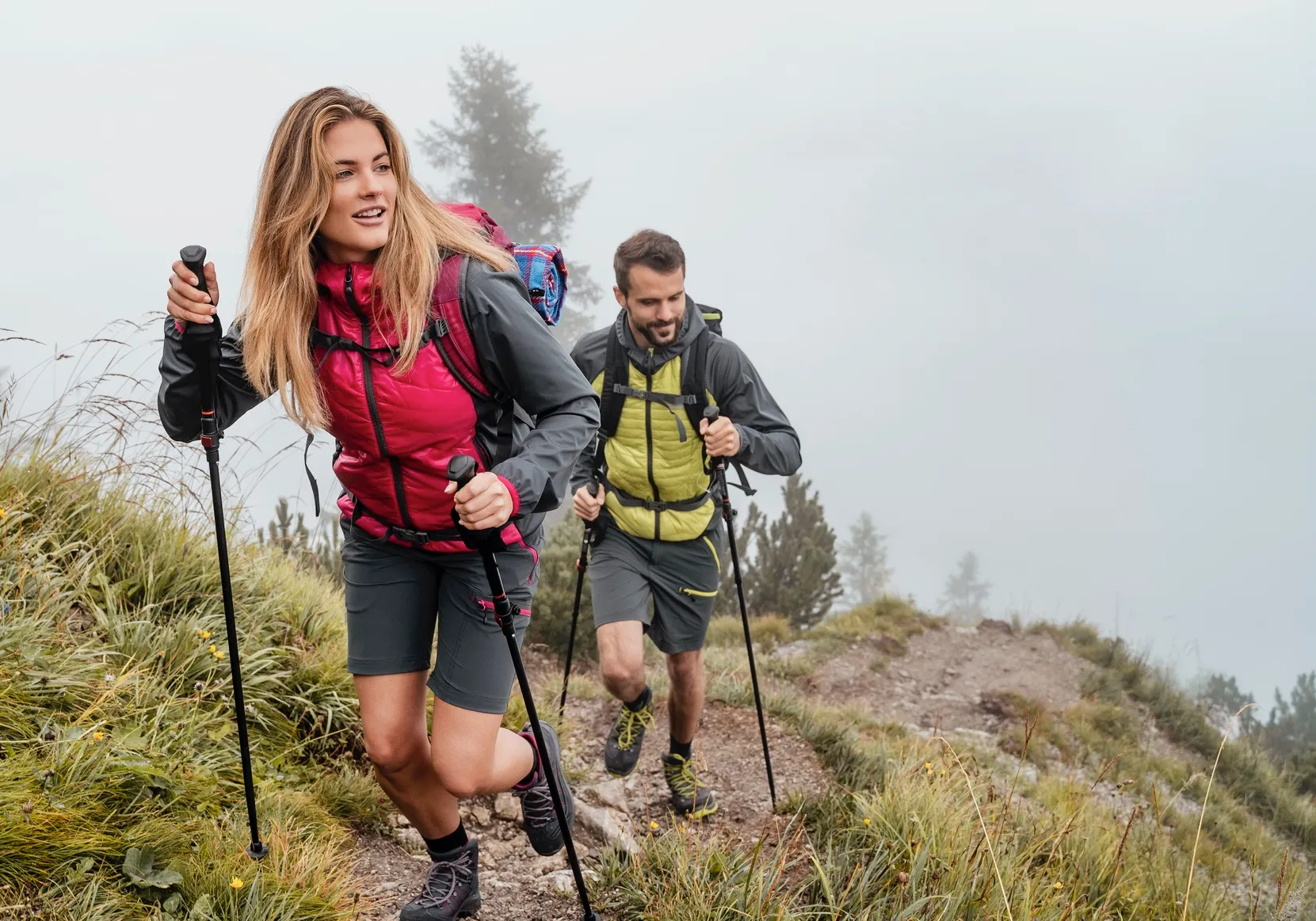
The most expensive mistake for someone new to hiking is buying a full kit in one day. The second most expensive is renting everything every single time. The line between them is actually a simple rule.
The decision rule
Ask three questions about any item:
- Does it have to fit my body? If yes — buy.
- Will I use it on every trip? If yes — buy.
- Will I need it fewer than three times a year? If yes — rent.
Those three questions sort almost the entire list.
Buy from day one
- Boots. The most important item and the one that cannot be rented. Footwear broken in on someone else's feet will injure yours. Try them on in the evening (feet swell during the day) and with hiking socks.
- Socks. Cheap, and they solve a lot. Not cotton — wool or synthetic.
- Base layer. Anything in direct contact with sweat is personal.
- Rain/wind jacket. It is in the pack on every trip.
- Headlamp. Cheap, small, and a lifesaver when you run late.
- A water bottle and a small first-aid kit.
More sensible to rent
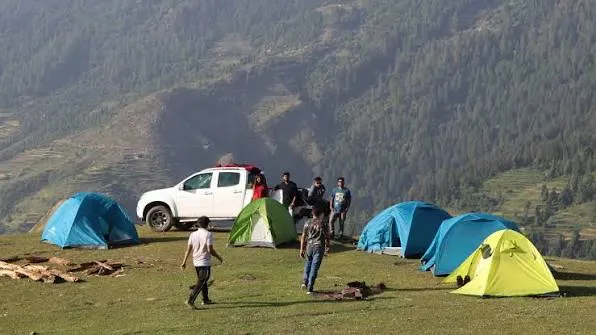
- Tent. Expensive, bulky, needs maintenance, and most people use it two or three times a year.
- Sleeping bag and mat. Especially when different seasons call for different bags.
- Winter gear: snowshoes, crampons, ice axe, ski set. These are both expensive and seasonal.
- A large expedition pack (60–80 l). Buying one for a couple of long trips a year makes no sense.
- Specialist equipment: satellite devices, climbing hardware.
Most of this is available for rent in Baku, and some multi-day tours include tent and mat in the price — asking about that before booking sometimes saves a serious amount of money.
When second-hand is a good idea
Good: packs, poles, snowshoes, hardshell jackets, tent poles, stoves.
Be careful: sleeping bags (the fill may have collapsed — check the loft), membrane jackets (the DWR is usually dead, but it can be restored).
Do not buy: helmets, ropes, carabiners and any other life-critical climbing hardware — it may have taken a load you know nothing about.
A suggested order
First season: buy boots, socks, jacket and headlamp; rent everything else.
Second season: by now you know what you actually use most — buy those one or two items.
Third season: fill only the remaining gaps.
This route is cheaper and prevents a cupboard full of gear gathering dust. For a starter list see Your first hike: what to pack. Routes that need no gear at all are the easy day tours, such as Ağsu, Dilman waterfall.
Ready to experience it yourself? See the upcoming departures.
Browse tours