

Layering: why one thick jacket is worse than three thin layers in the mountains
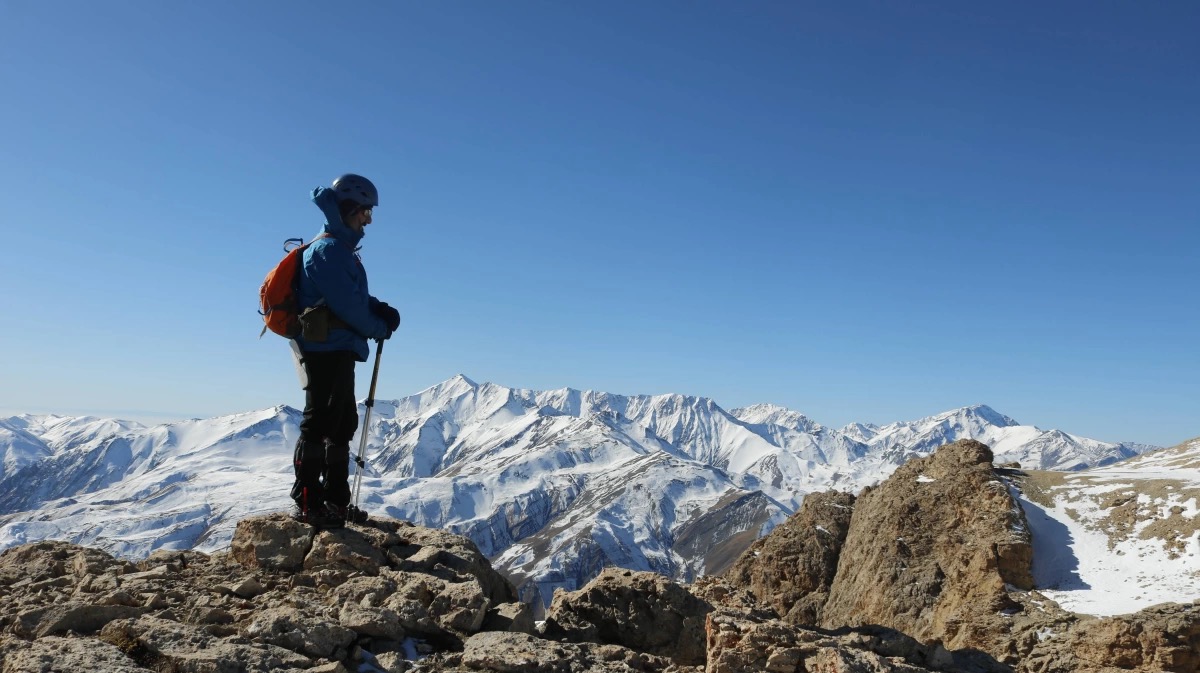
The most common way to catch a chill in the mountains is not being cold — it is sweating and then stopping. The layer system exists precisely to solve that.
The three layers
1. Base layer — moves moisture away from the body.
Synthetic (polyester) or merino wool. It should sit close to the skin.
❌ No cotton shirts. Cotton absorbs sweat and holds it; wet cotton cools the body. The saying "cotton kills on the trail" is not an exaggeration.
2. Mid layer — retains heat.
Fleece, polar or a light down jacket. Its job is to trap body heat.
3. Outer layer — protects from wind and rain.
A thin, windproof and ideally waterproof jacket. It does not need to be heavy.
The main rule of the system: take a layer off before the climb
As you start uphill, remove one layer. Within a few minutes you will warm up. Not sweating is the entire point of the system.
The moment you stop at the summit or for a break, put a layer on immediately. A five-minute delay is enough to get chilled.
Below the waist
Jeans are not mountain clothing: heavy, absorbent, they do NOT dry and they restrict movement. Trekking trousers or light sports trousers are better in every respect.
An addition for spring and autumn: light rain trousers — 200 grams in your pack, and they save the day when the rain comes.
Accessories
- A hat: most of your heat escapes through your head
- A buff: multifunctional — neck, hat, dust mask
- Gloves: needed on high peaks even in summer
The minimum set for a one-day route
| Season | Base | Mid | Outer |
|---|---|---|---|
| Summer, low altitude | synthetic shirt | thin fleece (in the pack) | windproof (in the pack) |
| Spring/autumn | long-sleeve synthetic | fleece | membrane jacket |
| Summit (3000 m+) | thermal base | thick fleece + down | hard shell jacket |
For summit routes: Altitude sickness and the 8-week preparation plan.
Ready to experience it yourself? See the upcoming departures.
Browse tours

