
Water and food on the trail: how much, when and what to eat

Suddenly running out of strength halfway through a trek usually has nothing to do with fitness — it has to do with water and food.
Water: how much
For a one-day route:
- Cool weather, moderate route → 1.5–2 litres
- Hot weather or a lot of climbing → 2.5–3 litres
- A high summit (dry air, fast breathing) → 3 litres
When to drink
Thirst is already the beginning of dehydration. The right method: one or two sips every 20 minutes. Drinking half a litre at once does not get absorbed; it just adds weight.
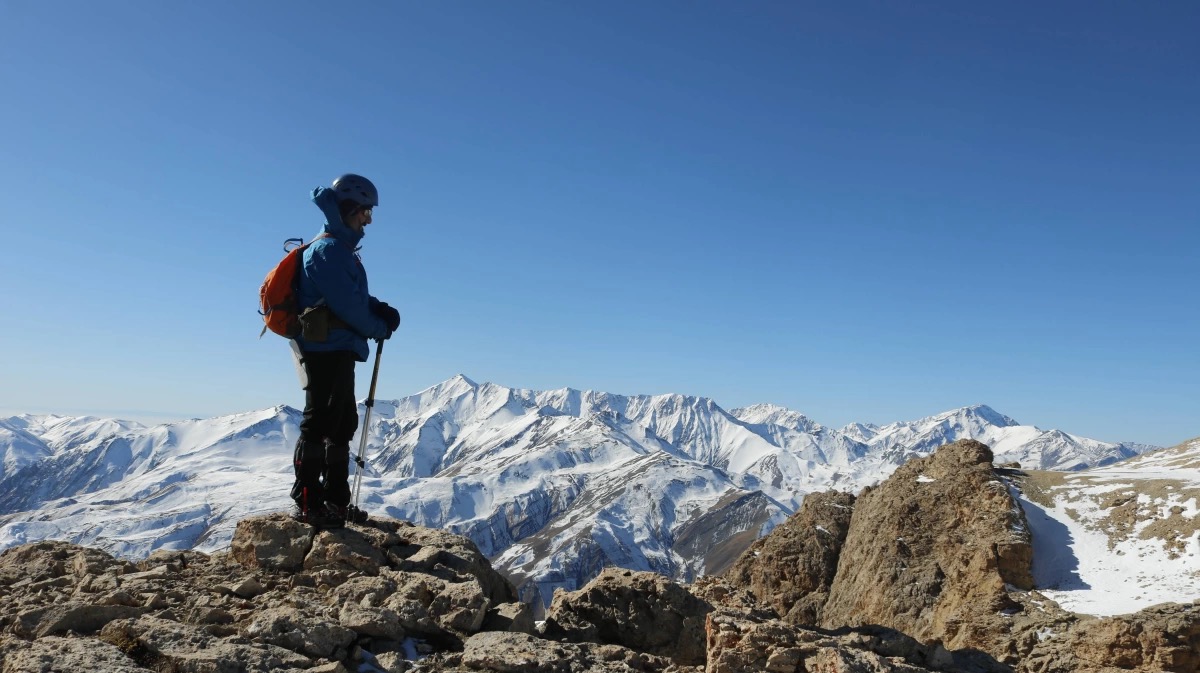
At altitude the sense of thirst weakens. So on summit routes drink by the clock, not by feel.
Electrolytes: the forgotten part
Along with water, sweat takes salt away. Drinking only water sometimes makes things worse (headaches, muscle cramps).
Simple solutions:
- An electrolyte sachet from the pharmacy
- Salted nuts
- A pinch of salt and a little lemon in a bottle of water
Food: two kinds
Slow energy (breakfast, lunch): oats, bread, eggs, rice. Eaten 1.5–2 hours before the route.
Fast energy (on the move): dried fruit, dates, a banana, chocolate, an energy bar. A little every 1–1.5 hours.
The main rule: eat before you get hungry. By the time hunger arrives your energy is already gone and it takes 30–40 minutes to recover.
What not to eat
- A heavy, fatty breakfast (your stomach will object on the climb)
- Lots of sweet fizzy drinks (a sharp rise and a sharp crash)
- Any new food you are trying for the first time on the day of the trek
Spring water
Mountain springs are usually clean, but there is no guarantee — livestock may graze upstream. On long routes it is sensible to carry a filter or purification tablets.
The village table
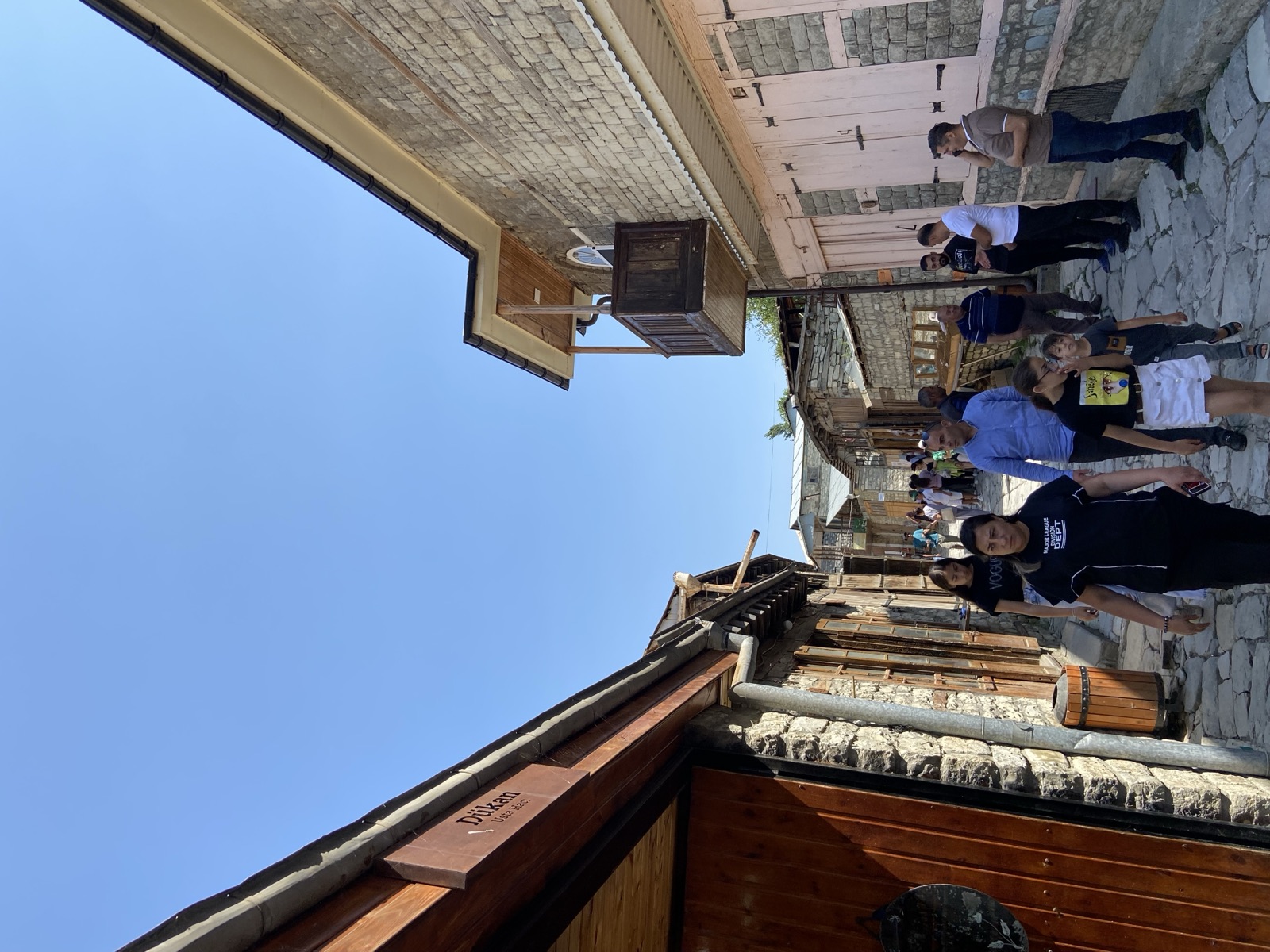
Many routes (Lerik, Tokiakhil, Yardimli, Mastdargah) include a meal in a village house after the walk. It is the best part of the route — but do not rely on it before the walk; keep your own food in your pack.
Ready to experience it yourself? See the upcoming departures.
Browse tours