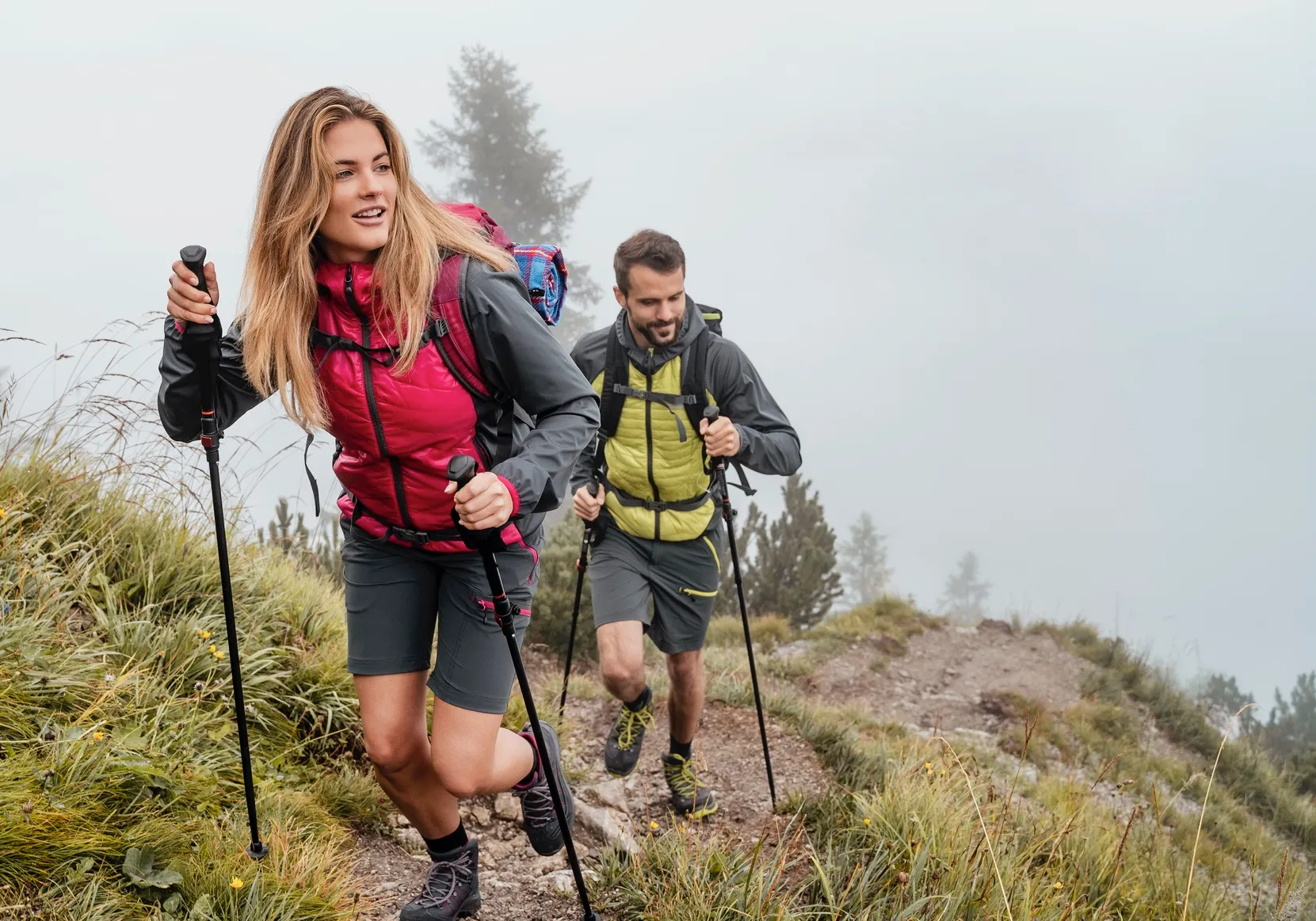

Trekking boots: what to choose them by, and what not to
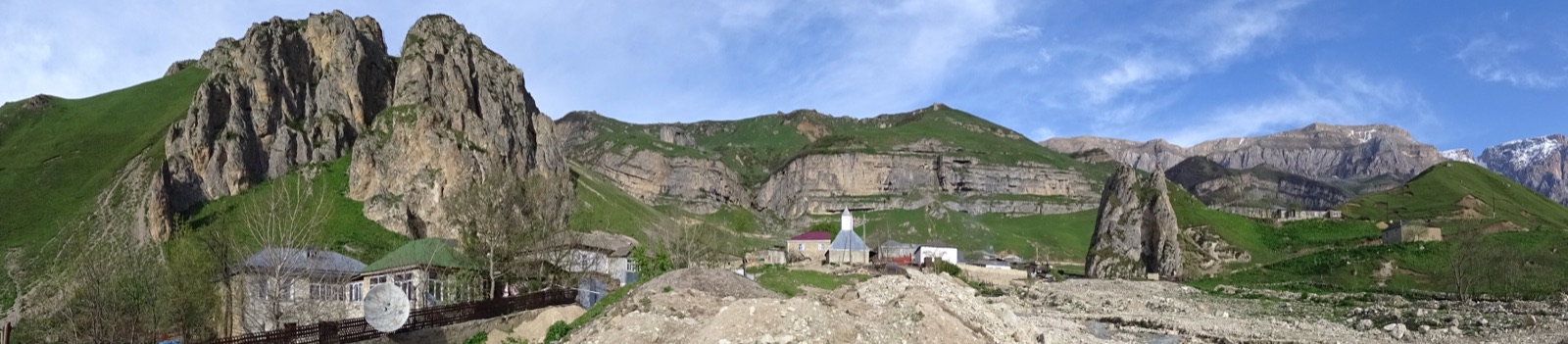
The fastest way to stop enjoying a trek is the wrong footwear. Blisters, slipping, injured toes: all three have the same cause.
1. The sole — the most important part
Wet rock, mud, a riverbed. What you need is a soft sole with a deep tread. A hard plastic sole is like ice on wet stone.
How to check: press the sole with your finger. If the rubber gives a little, good. If it is hard and slippery, it is a city shoe.
2. Ankle support: low or high?
Low cut: lighter, breathes better, for flat and moderate routes.
High cut (holding the ankle): prevents twisted ankles on rocky slopes. Recommended on routes like Bazarduzu and Tufandag.
For a first pair, take the middle option: a model that partly supports the ankle.
3. A membrane (waterproofing) is not always needed
Membrane boots keep water out, but they also breathe less. In summer your feet sweat and the result is the same: damp feet.
- Spring and autumn, muddy routes → with a membrane
- Summer, dry routes → without a membrane, quick-drying
- Routes through water (Babadag canyon) → shoes that let water out and dry fast
4. Size: half a size up
On the descent your foot slides forward and your toes hit the front of the boot. Over a single day that turns a toenail black.
So: half a size larger than your usual, and always measured with trekking socks on.
The check: put the boot on without lacing it and slide a finger down behind your heel — if one finger fits, the size is right.
5. Do not take new boots on a long route
The most common mistake. Wear new boots for at least a week around town, then test them on a short route (Lerik, Tokiakhil).
Socks are equipment too
Cotton socks hold sweat and are the main cause of blisters. Buy wool or synthetic trekking socks — a pair costing 15–20 manats determines half the performance of a 200-manat boot.
If you get a blister
Stop as soon as you feel a blister forming mid-trek. Putting a plaster on at the red-patch stage is far easier than dressing a fluid-filled blister. Do not tell yourself you will deal with it later.
Ready to experience it yourself? See the upcoming departures.
Browse tours